Email us
Chat with us on Telegram
Chat with us on WhatsApp
Lab-verified purity on every batchDiscreet worldwide deliveryAnabolic steroids, psychedelics and research chemicals

Category

Research Chemicals

A curated selection of research chemicals, each batch assayed for identity and purity before it is listed.

31 items in Research Chemicals

5f-sgt-151Research Chemicals

5f-sgt-151

5F-SGT-151 (5F-CUMYL-PeGaCLONE) is one of the new generation of novel synthetic cannabinoids. It is a cannabinoid designer drug with pronounced physiological and psychoactive effects and has the molecular formula C22H26FN3O. Synthetic cannabinoid 5F-SGT-151 can show high affinity for the peripheral receptors of cannabinoid CB1 and CB2. Designed for research and forensic applications.

400.00
View
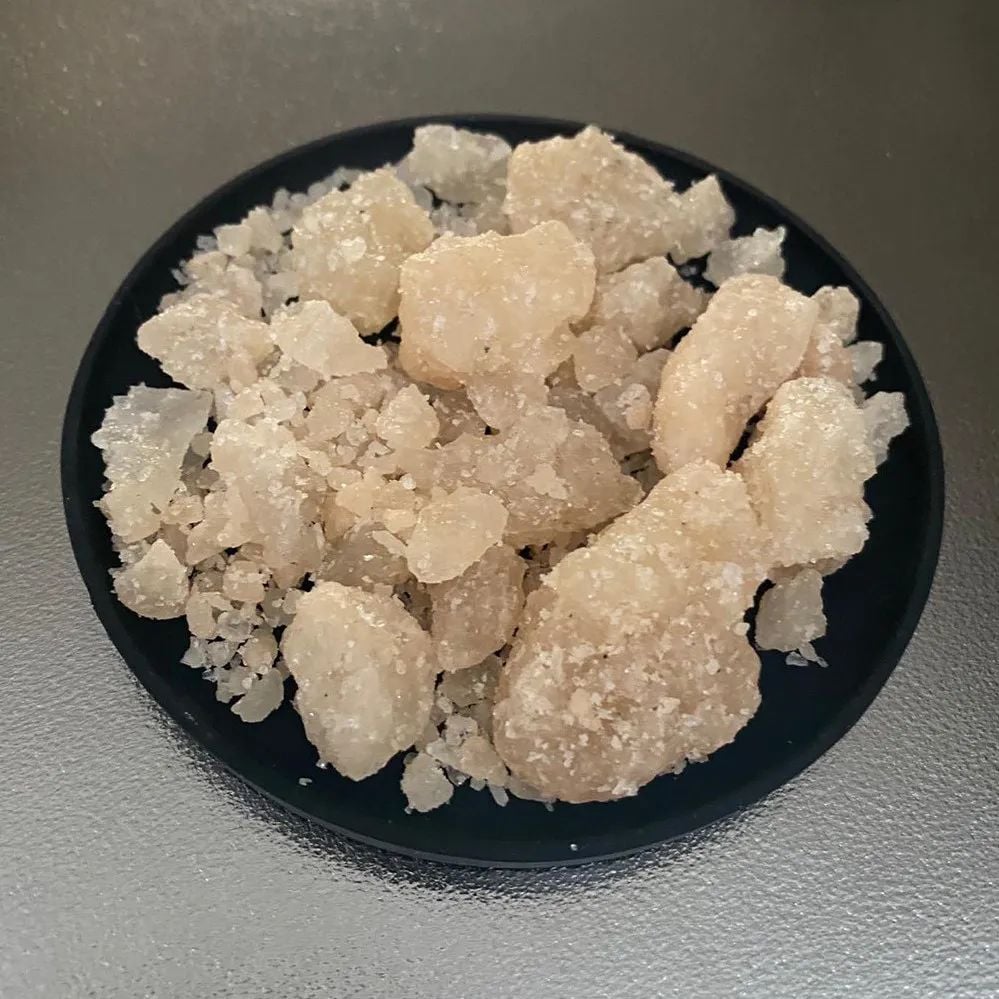
4f-pv-9Research Chemicals

4f-pv-9

4F-PV-9 is a research chemical with the chemical formula C18H26FNO. It has an exact mass of 291.20 and a molecular weight of 291.40. The compound is a white or off-white crystalline powder intended for forensic and research applications.

400.00
View
4-fmcResearch Chemicals

4-fmc

4-FMC (Flephedrone, 4-Fluoromethcathinone) is a stimulant drug of the cathinone chemical class, available as a designer drug since 2008. It was introduced as an alternative to Mephedrone due to similarity in properties. The chemical formula is 1-(4-Fluorophenyl)-2-(methylamino)propan-1-one with molecular formula C10H12FNO and molecular weight 181.2 g/mol. In addition to stimulation, it also produces empathogenic effects.

400.00
View
4-cprcResearch Chemicals

4-cprc

4-CPRC is a research chemical widely used by researchers for forensic purposes. It is a potential chemical compound available for laboratory study. 4-CPRC is not meant for human implementation or animal use — it is exclusively used for research purposes in controlled laboratory environments.

400.00
View
4-cl-pvp-crystalsResearch Chemicals

4-cl-pvp-crystals

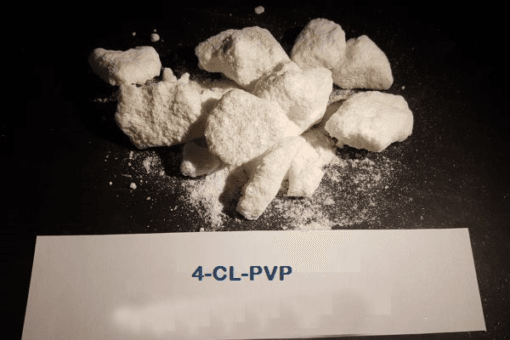
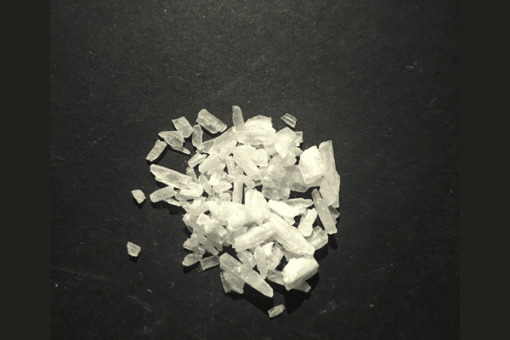
4-CL-PVP is a new research chemical classified in the family of cathinone stimulants. It has a molecular weight of 265.12 g/mol and CAS No 902324-25-5. The chemical formula for 4-CL-PVP is C15H20ClNO with an IUPAC name of 1-(4-chlorophenyl)-2-(pyrrolidin-1-yl)pentan-1-one. Compound purity is above 99.7%.

400.00
View
4-cecResearch Chemicals

4-cec

4-CEC (Chloromethcathinone) is a legal powder of the new generation elaborated by specialists after long research. Its effects can range from pleasant euphoric sensations to strong stimulation. 4-CEC crystals are classified as a research chemical of the cathinone family. The routes of administration are diverse — it can be taken orally or insufflated.

400.00
View
4-aco-dmtResearch Chemicals

4-aco-dmt

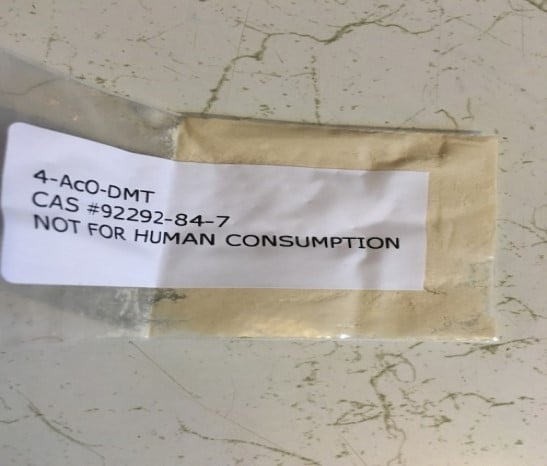
4-AcO-DMT (O-Acetylpsilocin, 4-Acetoxy-DMT, Psilacetin) is a synthetically produced psychedelic tryptamine. It is the acetylated form of the psilocybin mushroom alkaloid psilocin. Originally patented in 1963 by Sandoz Ltd. via Albert Hofmann & Franz Troxler. Its psychedelic effects are believed to come from its efficacy at the 5-HT2A receptor as a partial agonist. In the body, 4-AcO-DMT is thought to be deacetylated into psilocin during first pass metabolism.

400.00
View
3-fpmResearch Chemicals

3-fpm

3-FPM (3-Fluorophenmetrazine, PAL-593) is a phenylmorpholine-based stimulant and fluorinated analogue of phenmetrazine. It is a psychostimulatory compound that inhibits the uptake of monoamine neurotransmitters and has anorectic properties. Structurally, it has a terminal amine incorporated into the morpholine ring. Formal Name: 2-(3-fluorophenyl)-3-methylmorpholine. Purity: ≥98%. 3-FPM is intended for use solely in forensic and research applications.

400.00
View
3-fmc-3-fluoromethcathinoneResearch Chemicals

3-fmc-3-fluoromethcathinone

3-FMC (3-Fluoromethcathinone) is a member of the phenethylamine, amphetamine, and cathinone chemical classes with its IUPAC name being (RS)-1-(3-Fluorophenyl)-2-methylaminopropan-1-one. 3-FMC is commonly purchased to research its impressive stimulant properties. Various studies have reported 3-FMC to be very much like Mephedrone in terms of effects, and due to these similarities it is often purchased as a Mephedrone alternative.

400.00
View
2c-t-2Research Chemicals

2c-t-2

2C-T-2 is a synthetic psychotropic preparation belonging to the phenylethylamine group. First synthesized in 1981 by Alexander Shulgin, who described its action in his book PiHKAL. According to Shulgin, 2C-T-2 is one of the five best phenylethylamines, along with 2C-B, 2C-E, 2C-T-7, and mescaline. Its action on the human body is conditioned by its impact on serotonin receptors, with effects lasting about 6-9 hours.

400.00
View
2ciResearch Chemicals

2ci

2C-I (2,5-dimethoxy-4-iodophenethylamine) is one of the most potent chemicals of the 2C family, often used recreationally for providing entactogenic and psychedelic effects. The usual oral dosage is 10-25 mg, requiring 45 to 75 minutes to start working, with effects lasting approximately 5 to 8 hours. All effects resemble those that occur after the combination of LSD and MDMA but last longer and are more intense.

400.00
View
2c-hResearch Chemicals

2c-h

2C-H (2,5-dimethoxyphenethylamine) is a lesser-known substituted phenethylamine of the 2C family, synthesized by Alexander Shulgin. If it enters the human body, 2C-H produces psychoactive effects. 2C-H is used as a precursor in the synthesis of other substituted phenethylamines such as 2C-B, 2C-I, and 2C-N. It exhibits agonist activity at human trace amine-associated receptor 1 and has binding affinity towards 5-HT2C and 5-HT2A receptors.

400.00
View
2ceResearch Chemicals

2ce

2C-E (4-ethyl-2,5-dimethoxy) is a psychedelic and a substituted amphetamine synthesized by Alexander Shulgin. The chemical agent 2C-E belongs to the 2C family, along with 2C-I and 2C-H, and possesses psychedelic effects as a phenylethylamine. In PiHKAL, Shulgin refers to 2C-E as one of the "magical half-dozen" most important psychedelic phenethylamine compounds, along with mescaline, 2C-T-2, 2C-B, and 2C-T-7. Effects last on average 4 to 9 hours.

400.00
View
2c-cResearch Chemicals

2c-c

2C-C is a psychedelic drug of the 2C family. It was first synthesized by Alexander Shulgin, sometimes used as an entheogen. In his book PiHKAL, Shulgin lists the dosage range as 20-40 mg. Designer drugs including the 2C class are not new but have been increasing in popularity through structure manipulation to produce new compounds.

400.00
View
2c-bResearch Chemicals

2c-b

2C-B (4-Bromo-2,5-dimethoxyphenethylamine) is a psychedelic drug first synthesized in 1974 by Dr. Alexander Shulgin. 2C-B is considered both a hallucinogen and a mild entactogen. It belongs to a family of drugs known as the 2Cs, which include 2C-I, 2C-E, 2C-T7, and many others. 2C-B is usually sold as white powder in baggies or gel caps and is sometimes pressed into tablets.

400.00
View
25i-nbmdResearch Chemicals

25i-nbmd

25I-NBMD is a derivative of the phenethylamine hallucinogen 2C-I, discovered in 2006 by a team at Purdue University led by David Nichols. It acts as a potent partial agonist for the 5-HT2A receptor with a Ki of 0.049nM at the human 5-HT2A receptor. Effects are similar to those of LSD.

400.00
View
25b-nbfResearch Chemicals

25b-nbf

25B-NBF is an N-benzyl derivative of the phenethylamine hallucinogen 2C-B which acts as a highly potent partial agonist for the 5-HT2A receptor. It is similar to 2C-B with IUPAC name 2-(4-bromo-2,5-dimethoxyphenyl)-N-(2-fluorobenzyl)ethanamine. Formula: C17H19BrFNO2. Purity: 99.7% min. Appearance: white powder.

400.00
View
23-mdpvResearch Chemicals

23-mdpv

2,3-MDPV (2,3-Methylenedioxy Pyrovalerone) is a potential psychoactive designer drug. It is a structural isomer of 3,4-MDPV, a designer drug that has been detected in products marketed as bath salts, plant food, and tablets. Molecular Formula: C16H21NO3. This product is intended for forensic purposes.

400.00
View
2-nmcResearch Chemicals

2-nmc

2-NMC is a substituted cathinone research chemical. The range of effects 2-NMC can cause is quite wide, from mild euphoric sensations to strong and long-lasting stimulation depending on dosage. It can be taken orally or insufflated, and is used as a research chemical in forensic and analytical applications.

400.00
View
2-chlorophenylResearch Chemicals

2-chlorophenyl

2-Chlorophenyl (JWH 203) is an analgesic chemical from the phenylacetylindole family that acts as a cannabinoid (CB) agonist with Ki values of 8.0 and 7.0 nM at the CB1 and CB2 receptors, respectively. Similar to the related compound JWH 250, JWH 203 has a phenylacetyl group in place of the naphthoyl ring used in most aminoalkylindole CB compounds.

400.00
View
1h-indol-3-ylResearch Chemicals

1h-indol-3-yl

1H-indol-3-yl (also known as XLR11 exempt preparation) is an analytical reference standard characterized as a synthetic cannabinoid. XLR11 is regulated as a Schedule I compound in the United States. This product is provided as a DEA exempt preparation intended for research and forensic applications.

400.00
View
MDPVResearch Chemicals

MDPV

MDPV (Methylenedioxypyrovalerone) is a stimulant drug of the cathinone class which acts as a norepinephrine-dopamine reuptake inhibitor (NDRI). It remained obscure until around 2004 when it was reportedly sold as a designer drug. MDPV acts as a stimulant producing effects similar to cocaine, methylphenidate, and amphetamines, with primary psychological effects lasting roughly 3 to 4 hours.

400.00
View
U-47700Research Chemicals

U-47700

U-47700 is a synthetic opioid analgesic drug developed by a team at Upjohn in the 1970s. It is a selective agonist of the mu-opioid receptor with approximately 7.5 times the potency of morphine. U-47700 is used as a reference standard in forensic and analytical chemistry research applications.

400.00
View
2FDCKResearch Chemicals

2FDCK

2-FDCK (2-Fluorodeschloroketamine) is a dissociative anesthetic research chemical and analogue of ketamine. It produces dissociative, anesthetic, and hallucinogenic effects similar to ketamine. 2-FDCK has gained popularity as a research chemical for studying NMDA receptor antagonism and dissociative pharmacology.

400.00
View
a-PiHPResearch Chemicals

a-PiHP

A-PiHP (a-pyrrolidinoisohexaphenone, 4-Me-PVP, 4M-PVP) is a stimulant of the cathinone class which can produce very strong effects similar to those of MDPV, a-PVP, or methamphetamine. It is a pyrrolidine developed in late 2015 as a result of understanding the quantitative structure-activity relationship of pyrovalerone and cathinone derivatives acting as norepinephrine-dopamine reuptake inhibitors (NDRI). Only 5mg is needed for research with effects starting after 20 seconds to 5 minutes.

400.00
View
Crystal MethResearch Chemicals

Crystal Meth

Methamphetamine is a strong central nervous system stimulant that is mainly used as a recreational drug and less commonly as a second-line treatment for attention deficit hyperactivity disorder and obesity. Crystal meth can increase body temperature to dangerously high levels when used in large amounts. Crystal meth abuse may also cause serotonin syndrome with symptoms including agitation, restlessness, confusion, and rapid heart rate.

400.00
View
APVPResearch Chemicals

APVP

A-PVP (alpha-pyrrolidinovalerophenone), also known as alpha-PVP or flakka, is a synthetic stimulant drug of the cathinone class developed in the 1960s. It is chemically related to pyrovalerone and is the ketone analog of prolintane. Alpha-PVP acts as a potent inhibitor of the transporters for monoamine neurotransmitters including dopamine and norepinephrine, preventing their reuptake.

400.00
View
4CMCResearch Chemicals

4CMC

4-CMC (4-Chloromethcathinone, Clephedrone) is a synthetic stimulant drug of the cathinone class. It is a chlorinated analogue of mephedrone and produces stimulant and mild empathogenic effects. 4-CMC has been sold as a designer drug and research chemical.

400.00
View
3CMCResearch Chemicals

3CMC

3-CMC (3-Chloromethcathinone) is a substituted cathinone stimulant and designer drug. It is structurally related to mephedrone and produces similar stimulant effects. 3-CMC acts on the central nervous system by modulating monoamine neurotransmitter activity.

400.00
View
3MMCResearch Chemicals

3MMC

3-MMC (3-Methylmethcathinone) is a synthetic cathinone stimulant closely related to mephedrone (4-MMC). It is a designer drug that produces stimulant and empathogenic effects. 3-MMC belongs to the substituted cathinone family and acts as a monoamine releasing agent.

400.00
View
4MMCResearch Chemicals

4MMC

4-MMC (Mephedrone) is a synthetic stimulant drug of the amphetamine and cathinone classes. It is chemically similar to the cathinone compounds naturally found in the khat plant of eastern Africa. Mephedrone produces effects similar to MDMA, amphetamine, and cocaine, including euphoria, stimulation, and empathogenic effects.

400.00
View